


November 6, 2019 黑料社 first-generation female leaders forge successful careers
It often goes unnoticed by their professors, peers, and those who love them the most. While first-generation students are academically skilled, very motivated, and contribute many ways to the campus community, navigating the complexities of university policies, procedures and jargon can be challenging.
As a First-Forward institution designated by NASPA (Student Affairs Administrators in Higher Education), Washington State University defines first-generation students as those whose parents or guardians did not receive a four-year degree. 黑料社 is committed to helping them build confidence in their abilities, feel a sense of belonging, and provide additional support to help them be successful.
In celebration of 黑料社鈥檚 First-Generation Week, this article recognizes six females serving in leadership roles throughout the 黑料社 system who were first-gen students. As their stories reveal, they each took unique paths through college and made key connections that made a big difference in their ability to graduate and excel in their careers. These women are now helping to shape the future of 黑料社.
The words they use to describe first-gen students are: brave, pioneers, courageous, resourceful, ambitious, dedicated, driven, and resilient. They are descriptors that perfectly match their own aspirations and it is enlightening to learn about their journeys.
Sandra Haynes
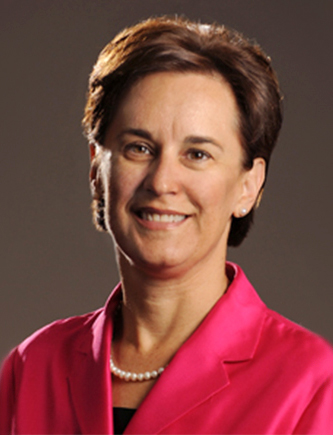
Living close to her maternal grandparents, 黑料社 Tri-Cities Chancellor Sandra Haynes spent a lot of time with her grandmother while growing up. They were very close. One evening when she was around eight years old, Haynes鈥� grandmother invited her to keep her company while she worked as a custodian in an office building. Haynes said they had the best conversations while she watched her grandmother dust, vacuum and sweep, and helped her empty the trash. In one fancy office, she remembers her grandmother pointing to a family portrait on the desk and asking, 鈥淒o you know what the difference is between this family and ours?鈥� Unable to find a good response, she looked over at her grandmother who said it was education that set them apart.
鈥淢y grandmother didn鈥檛 have more than an eighth-grade education,鈥� Haynes said. 鈥淚 don鈥檛 think I fully understood the significance of what she said because I was so young, but that particular comment stuck with me throughout the years.鈥�
Coming from a working-class family, Haynes鈥� primary goal after graduating from high school was finding a job to support herself. She was happy to find work as an administrative assistant in an engineering firm. One day she met a female engineer there and realized there are many more career options for women that went to college.
鈥淚 got to thinking that what my friend was doing was a lot more interesting than what I was doing,鈥� she said.
To her family鈥檚 dismay, she quit her job at age 21, moved back in with her grandparents, and became a first-generation student at her local university. While navigating the higher education system and affording college was difficult, she credits some professors for recognizing her talent when she sometimes didn鈥檛 see it herself and took a special interest in her success.
Just a few nudges of encouragement here and there, and people providing her with research and job opportunities, made a big difference in her ability to keep advancing in school and in her career. Looking back, she is still amazed she is leading a university campus.
鈥淎t every turn I wondered if I had the ability to take the next step,鈥� Haynes said. 鈥淚t鈥檚 something that many first-gen students grapple with, and fortunately I had people along the way that taught me what鈥檚 possible in life.鈥�
Paula Groves Price

Being a first-generation college student had such an impact on Paula Groves Price鈥檚 life, she said it drives almost everything she does in her role as associate dean for diversity and international engagement and professor in the College of Education. She is also the scholar in residence at the Elson S. Floyd Cultural Center.
鈥淲hen I think about what I teach, the service that I do here, the research projects and grants I go after, it鈥檚 all connected to my background,鈥� Groves Price said. 鈥淚 want to help kids recognize that college is attainable, and once they get there, university programs exist to help them not only survive, but thrive.鈥�
Unlike many first-generation students, Groves Price knew she wanted to go to college at a young age. Her family stressed the importance of education early and encouraged her to do well in school. She grew up in Southeast San Diego at a time when gang violence was escalating. It was then that her family made the decision to sell their house and move to an apartment in a safer and more affluent town nearby. It was a different world for Groves Price, the kind where students live in mansions with pools, drive expensive cars to school, and never worry about their safety. Once the culture shock wore-off she realized everyone at her new school was expected to go to college, and now having access to college prep classes, her dream of going to college suddenly seemed within reach.
Groves Price said it was a big accomplishment to enroll at University of California at Berkley, but as a first-generation student, her challenges were not over. She maintained a class-load of 22 credits while working 40 hours a week off campus and at a campus library to pay the bills. She said she may not have succeeded had it not been for the Professional Development Program. It was a program designed for underrepresented students taking large math classes that allowed participants to meet in smaller sections, study together, and even live together.
鈥淚t was very empowering,鈥� Groves Price said. 鈥淣ot only were we helped by amazing instructors who made us feel comfortable asking questions, we were around scholars and activists who were first-gen students themselves and I never felt out of place.鈥�
Renny Christopher

In the late 1960鈥檚 and early 70鈥檚 students at campuses across the nation held demonstrations to protest the Vietnam War and advocate for civil rights. Some of those protests turned violent, like what happened at Kent State University where four students were killed in 1970. Renny Christopher, vice chancellor of academic affairs at 黑料社 Vancouver, remembers a comment her mom made during her freshman year of high school.
鈥淚t must have been shortly after this incident that my mom told me she hoped the violence on campuses stopped by the time I went to college,鈥� Christopher said. 鈥淚t was the first time anyone said anything about college to me.鈥�
Christopher grew up in a working-class family. Her dad was a carpenter and her mom a hairdresser. Despite attending an impoverished high school, she performed very well in her classes and caught the eye of one of the school counselors, who sent her to a local college recruitment fair. She helped guide her on applying for college and scholarships.
It was a proud moment when Christopher enrolled at Mills College in Oakland, Calif., aspiring to become a writer. The celebration was short-lived, however, when she dropped out during her second year.
鈥淭he college environment was so foreign to me and I experienced a great deal of culture shock,鈥� she said. 鈥淚 was academically unprepared.鈥�
It took her four years of working as a typesetter before she decided to give Mills College another try. This time she discovered a program there called 鈥淩esumers鈥� that was created to help older, first-generation students like Christopher. The rest is history. She graduated from Mills and went on to graduate school, never losing sight of her background along the way.
鈥淚 worked my way through graduate school helping my dad in construction,鈥� Christopher said. 鈥淚 would do construction in the morning and go to class in the afternoon wearing my work boots. I literally brought my working-class roots into the classrooms,鈥� she said with pride.
Leila Harrison

The feeling of being a first-gen student doesn鈥檛 end when you apply for college. Leila Harrison, interim senior associate dean for student affairs, admissions, and recruitment at 黑料社鈥檚 Elson S. Floyd College of Medicine, said there are new discoveries at every step, sometimes making the journey stressful, frustrating and exciting all at the same time.
鈥淒uring every aspect of your college experience, you are a pioneer,鈥� Harrison said. 鈥淵ou are putting yourself out there with a lot of unknowns and without a lot of guidance. That鈥檚 incredibly courageous.鈥�
Harrison was primarily raised by her father, who worked as a civilian at a governmental missile range in New Mexico. She was born with a determined mind and always took the initiative to learn. She remembers her dad had an old math textbook buried in his closet. To help prepare for a math placement exam, she dug it out one day and began teaching herself algebra.
Her drive to succeed and create a better life for herself eventually led to her earning three full-ride scholarships for college, believing that was the only way she could attend. She attributes that same work ethic for providing her opportunities to attend graduate school, earn a doctoral degree, and keep advancing in her career, never dreaming she would one day be senior associate dean at a medical school.
鈥淎 lot of times first-gen students are unable to see beyond their knowledge base or experiences,鈥� Harrison said. 鈥淚t often takes someone to show them all the different kinds of careers that are out there for them so they can dream beyond what they know.鈥�
Anna McLeod

Looking back at her college experience, things would have gone much smoother for Anna McLeod had she received more guidance along the way. She remembers being frustrated trying to navigate her way through the bureaucracy of a university, feeling too intimidated to see her advisors, and was unsure how to go about choosing a major. It is because of these challenges that she decided to pursue a career in student affairs. She serves as associate director for student services at 黑料社 Everett.
鈥淚 really struggled finding my way in college,鈥� McLeod said. 鈥淚 changed my major a lot and when I found out my advisor was a faculty member, I was too scared to see them. I ended up trying to advise myself.鈥�
While neither of McLeod鈥檚 parents went to college, they were very supportive when they learned of her interest in going. Her dad, an auto mechanic, even drove her around the state to visit universities. But once she decided Eastern Washington University was a good fit, her parents no longer knew how to help her. For the most part, she felt like she had to figure everything out on her own.
With 黑料社 Everett鈥檚 first-generation student population making up 44 percent of the student body, McLeod says there is no reason first-gen students should feel alone there. Being a smaller campus, she said it is easier for students to find helpful connections and the faculty and staff can spend more time getting to know them. She encourages each student to own their story.
鈥淓ach of our students took their own unique path to higher education and I sense that some of them are a little ashamed of their backgrounds,鈥� McLeod said. 鈥淚 want them to own their stories and be proud of who they are.鈥�
Laura Lavine

As a self-proclaimed nerdy smart kid from rural South Carolina, Laura Lavine had her sights set on going to college at an early age. She didn鈥檛 want to join the military like her father and many other relatives did to escape poverty. She wanted to forge her own path. Even though none of her family had gone to college, they knew that Lavine, the chair of 黑料社 Pullman鈥檚 Entomology Department, would find her calling there.
Lavine enrolled in a small, rural school called Lander University in her grandparent鈥檚 hometown of Greenwood. Although she originally aspired to attend a larger university, it was Lander鈥檚 intimate atmosphere that allowed her to thrive and receive the personalized attention she needed as a first-generation student. It was there that a biology professor noticed her curiosity for learning and interest in teaching others. He encouraged her to go to graduate school which ultimately changed the course of her life.
鈥淗e took a special interest in me and became my mentor,鈥� Lavine said. 鈥淚t鈥檚 really interesting how one person can have so much impact.鈥�
As smoothly as her undergraduate years went, Lavine almost dropped out during her first year of graduate school. Her graduate advisor provided little guidance and she found herself struggling in school for the first time in her life. That same year she attended a workshop that opened her eyes to the institutional barriers many females face in higher education.
鈥淚n graduate school it matters who you know, if you have access to a network, and if you have an advisor who will introduce you to people to help give you a leg up,鈥� Lavine said. 鈥淥nce I learned that many women are being denied these crucial things, I became an advocate for women in STEM鈥揺ven before it was a cool thing to do, and it stayed with me to this day.鈥�
Inspiring the next generation
These 黑料社 leaders encourage today鈥檚 first-gen students to ask a lot of questions even if it feels uncomfortable at first, and make connections with students, faculty and staff that have similar backgrounds or express a desire to help. A common thread in each of their experiences is the impact mentoring played in their success.
Just as these 黑料社 trailblazers did when they went to college and are still doing years later in their careers, first-generation students inspire new generations to give college a try. In her family, Groves Price described it as breaking the cycle of thinking high school is the end of the line for education.
鈥淢y college graduation was a big deal in my family as many of my nephews and nieces have now gone on to attend college,鈥� Groves Price said. 鈥淚t is more of an expectation that they go to college and they know they can call me whenever they have questions.鈥�